


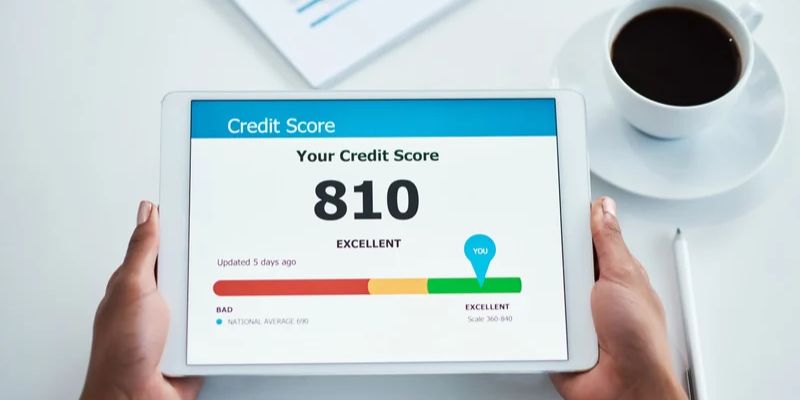
What Really Shapes Your Credit Score? Understanding the Factors Behind Your Financial Reputation
Have you ever wondered why one person can qualify for a loan with favorable interest rates while another person with a similar income struggles to get approved? One important factor lenders may consider is the applicant's credit score. This three-digit number provides insight into how someone has managed borrowed money, handled repayment responsibilities, and maintained credit accounts over time.
However, a Credit Score is not a random number, nor is it determined by just one financial decision. It is calculated using information from your credit history and a mathematical formula known as a credit scoring model. Payment behavior, outstanding balances, account age, credit mix, and recent credit applications can all influence the result.
Understanding these factors is particularly important if you have experienced financial difficulties, accumulated credit card debt, missed payments, or struggled to qualify for financing. Knowing what influences your score can help you identify the areas that need attention and make better financial decisions.
At Laventure Solutions LLC, credit improvement begins with understanding an individual's financial situation. Through credit report analysis, personalized consulting, and guidance on addressing questionable or inaccurate reporting, the company helps consumers understand their credit challenges and work toward stronger financial profiles.
In this guide, we will explore how credit scores are calculated, which factors carry the most weight, common misconceptions, and practical strategies to improve your creditworthiness.
1. Who Calculates Your Credit Score?
Your credit score is calculated using information contained in your credit report. However, credit reporting agencies and credit scoring companies perform different functions.
In the United States, three major credit reporting agencies maintain consumer credit files:
Experian
Equifax
TransUnion
These agencies collect information from lenders, credit card companies, financial institutions, and other data furnishers. The information may include your account balances, payment history, credit limits, and collection activity.
Credit scoring companies then use mathematical formulas to evaluate the information and generate a numerical score.
Two widely recognized credit scoring systems are:
FICO Score: Developed by Fair Isaac Corporation, FICO scores are widely used by lenders when evaluating consumer credit applications.
VantageScore: Developed through a collaboration involving the three major credit reporting agencies, VantageScore provides another way to evaluate consumer creditworthiness.
Because these models use different formulas and may receive different credit report information, your scores can vary between providers.
You may also have different scores depending on whether a lender is evaluating you for a mortgage, automobile loan, or credit card.
Understanding this distinction helps explain why the number you see in a credit monitoring application may not always match the score a lender uses.
2. The Five Major Factors That Determine Your Credit Score
Although different scoring models use different calculations, most evaluate similar categories of credit information.
The traditional FICO scoring model identifies five major factors. The following percentages are general FICO guidelines, not universal percentages for every scoring model or consumer.
A. Payment History – 35%
Payment history is generally the most influential factor in a traditional FICO Score calculation.
It shows whether you have paid your credit obligations according to the agreed payment schedule.
For example, imagine you have a credit card, an automobile loan, and a personal loan. Making every payment on time demonstrates responsible borrowing behavior.
However, missed payments, serious delinquencies, collection accounts, and certain public records can negatively affect your credit profile.
The severity, frequency, and recency of negative payment information can influence its impact.
How to improve this factor:
Make payments before their due dates.
Set up automatic payments or payment reminders.
Contact creditors if you anticipate difficulty making a payment.
Bring overdue accounts current when financially possible.
Review your reports for incorrectly reported late payments.
Consistent payment behavior can help establish a stronger credit history over time.
B. Amounts Owed and Credit Utilization – 30%
The second major factor is the amount of debt you owe and how much of your available revolving credit you are using.
Credit utilization is particularly important for credit card accounts.
For example, suppose your credit card has a $10,000 limit and your outstanding balance is $7,000.
Your credit utilization ratio is 70%.
A high utilization ratio can indicate that you are relying heavily on available credit, potentially making you appear more financially stretched.
Generally, keeping revolving balances low compared with credit limits can support a healthier credit profile.
How to improve this factor:
Prioritize paying down high-interest credit card balances.
Avoid consistently using most of your available credit.
Monitor balances across individual cards and all revolving accounts.
Avoid unnecessary purchases on credit.
Consider a realistic monthly repayment strategy.
Remember that you do not need to carry a credit card balance or pay interest to build a good credit history.
C. Length of Credit History – 15%
Your credit history length measures how long you have been managing credit accounts.
A longer history can give lenders and scoring models more information about your borrowing behavior.
Scoring models may consider:
The age of your oldest credit account.
The age of your newest account.
The average age of your credit accounts.
How long individual accounts have been active.
For example, someone who has responsibly managed credit cards for eight years may have a more established credit history than someone who opened their first account six months ago.
How to improve this factor:
Maintain older accounts in good standing when appropriate.
Avoid closing accounts without understanding the possible consequences.
Develop consistent payment habits.
Give your credit history time to grow.
You cannot instantly create several years of credit history, but you can begin building a positive record today.
D. Credit Mix – 10%
Credit mix refers to the different types of credit accounts appearing on your credit report.
Common examples include:
Revolving credit cards.
Personal loans.
Automobile loans.
Mortgage accounts.
Retail credit accounts.
Having experience managing different account types can provide additional information about your borrowing behavior.
However, credit mix is generally a smaller scoring factor.
You should never open an unnecessary loan or credit card just to diversify your credit profile. Taking on additional debt without a genuine financial need could create more problems than benefits.
E. New Credit and Recent Applications – 10%
The final major FICO category considers your recent credit activity.
Whenever you apply for a new credit card or loan, the lender may perform a hard inquiry on your credit report.
Multiple credit applications within a short period can indicate increased borrowing activity and may temporarily lower your score.
How to improve this factor:
Apply for credit only when necessary.
Avoid submitting several applications at once.
Research eligibility requirements before applying.
Understand the difference between hard and soft inquiries.
Checking your own credit score generally creates a soft inquiry, which does not lower your score.
3. Why Your Credit Score Can Change Even When Your Financial Habits Stay the Same
Many consumers become confused when their credit scores increase or decrease even though they have not made significant financial changes.
This can happen for several reasons.
Different Reporting Dates: Creditors do not necessarily update all three credit bureaus at the same time. One report may reflect a recent payment while another still displays an older balance.
Different Scoring Models: FICO and VantageScore use different calculations. Industry-specific versions may also produce different results.
Changing Credit Utilization: Your score may change when your reported credit card balances increase or decrease.
Account Updates: New accounts, account closures, collection updates, and payment history changes can influence your credit profile.
Reporting Errors: Incorrect balances, duplicate accounts, or inaccurate payment statuses may affect the information used in score calculations.
This is why reviewing your complete credit profile is often more useful than focusing exclusively on one score.
4. What Information Does Not Directly Determine Your Credit Score?
There are several misconceptions about credit scoring that can lead consumers to make unnecessary financial decisions.
Generally, traditional FICO scores do not directly consider:
Your annual income.
Your job title or employer.
Your employment history.
Your age.
Your marital status.
Your residential address.
Your race or religion.
Your personal savings balance.
However, lenders may evaluate some of these details separately when reviewing a credit application.
For example, your income may influence whether a lender believes you can afford a particular loan, even though income itself is not a traditional FICO scoring factor.
Understanding the difference between credit scoring and overall lending decisions can help you set realistic expectations.
5. How to Fix Credit Score Fast: Practical Steps That May Help
If your credit score has declined, you may be searching for ways to improve it as quickly as possible.
Although there is no legitimate guaranteed overnight solution, certain actions may help address factors negatively affecting your credit profile.
Here are some practical steps.
Review All Three Credit Reports
Start by obtaining your credit reports from Experian, Equifax, and TransUnion.
You can access free weekly reports through AnnualCreditReport.com.
Review your accounts carefully and look for:
Incorrect payment statuses.
Accounts you do not recognize.
Incorrect credit card balances.
Duplicate collection accounts.
Inaccurate account ownership information.
Negative information that appears outdated.
Dispute Inaccurate Information
If you discover incorrect information, you have the right to dispute it with the relevant credit reporting agency and, where appropriate, the company that supplied the information.
Provide supporting documentation whenever possible.
The credit reporting agency generally has 30 days to investigate a dispute, although certain circumstances can extend the investigation period.
Accurate negative information cannot legally be removed simply because it affects your score.
Reduce High Credit Card Balances
High credit utilization may be contributing to your lower score.
Create a repayment plan that prioritizes expensive revolving debt while keeping your essential expenses covered.
Avoid Unnecessary Applications
Every new application that generates a hard inquiry may temporarily affect your credit profile.
Focus on improving your existing accounts before applying for additional credit.
Maintain Consistent Payments
Building a positive payment history requires consistency.
Use reminders, automatic payments, or budgeting tools to reduce the possibility of missed due dates.
These actions may help improve your credit profile, but the amount and timing of any score change will depend on your individual circumstances.
6. How Long Does It Take to Build Good Credit?
One of the most frequently asked questions is how long does it take to build good credit?
There is no single timeline because every consumer starts with a different credit history.
Someone with a limited credit file may need several months to establish enough information for certain scoring models to generate a score. Someone recovering from serious delinquencies or collection accounts may need considerably longer to rebuild a strong profile.
Here is a general overview:
Credit-Building Activity | General Timeline |
|---|---|
Establishing an initial FICO credit history | Often around six months of reported credit activity |
Reducing reported credit card balances | After creditors report updated balances |
Establishing consistent payment behavior | Several months or longer |
Building a longer credit history | Multiple years |
Recovering from serious negative credit events | Depends on the severity and age of the information |
Your results will depend on the scoring model, reporting schedule, and information contained in your credit file.
Tips for Building Good Credit From the Beginning
If you are starting with limited credit history, consider these approaches:
Explore a secured credit card if you qualify.
Consider a credit-builder loan after reviewing its fees and repayment terms.
Pay every credit obligation on time.
Keep revolving balances manageable.
Avoid opening accounts you do not need.
Review your credit reports regularly.
The objective is to develop sustainable habits rather than chase a temporary increase in your score.
7. Can Credit Consultants and Debt Services Help Improve Your Credit Profile?
When credit problems become complicated, understanding where to begin can be challenging.
You may be dealing with collection accounts, inaccurate information, high outstanding balances, or multiple financial obligations.
Professional credit consultants debt services can help consumers understand their credit situations and explore appropriate improvement strategies.
At Laventure Solutions LLC, the consulting approach focuses on understanding individual credit challenges and helping clients identify areas that may require attention.
The company's website highlights several areas of assistance:
Credit Report Analysis: Reviewing consumer credit reports to identify questionable, inaccurate, outdated, misleading, or unverifiable information.
Credit Restoration Consulting: Helping consumers understand appropriate ways to address negative reporting and work toward rebuilding their credit profiles.
Credit Bureau Communication: Assisting with the process of challenging information that appears inaccurate or cannot be verified.
Debt-Related Guidance: Providing assistance related to debt collectors and debt consolidation.
Credit Rebuilding: Encouraging responsible financial habits, consistent payments, and better credit management.
Professional guidance does not guarantee a specific score increase or the removal of accurate negative information. However, understanding your options can make the credit improvement process more organized.
Credit Consulting vs. Credit Counseling Services
Credit consulting and credit counseling services are related but not identical.
Credit consulting generally focuses on reviewing credit reports, identifying reporting concerns, and explaining credit improvement strategies.
Credit counseling typically emphasizes budgeting, financial education, debt management, and repayment planning. Nonprofit credit counseling organizations may also provide debt management plans when appropriate.
Before selecting a provider, review its services, qualifications, costs, and consumer agreements carefully.
8. Common Credit Score Myths You Should Stop Believing
Misinformation can make credit improvement more difficult than it needs to be.
Let's clear up some common misconceptions.
Myth 1: Checking Your Own Credit Score Lowers It.
Checking your own credit is generally a soft inquiry and does not negatively affect your score.
Myth 2: You Must Carry a Credit Card Balance to Build Credit.
You do not need to pay interest or carry a balance to establish positive credit behavior.
Myth 3: Having a High Income Automatically Means Having a High Credit Score.
Income is not a traditional FICO scoring factor. Payment behavior and other credit report information are much more relevant.
Myth 4: Every Negative Account Can Be Removed.
Accurate and properly reported negative information cannot simply be deleted because you disagree with it.
Myth 5: Closing Every Credit Card Will Improve Your Score.
Closing an account may reduce your available revolving credit and increase utilization. Consider the potential consequences before closing an account.
Myth 6: All Credit Scores Should Be Identical.
Different reporting agencies, scoring models, and reporting dates can produce different credit scores.
Knowing the facts helps you avoid unnecessary financial decisions and focus on strategies that genuinely support credit improvement.
9. Take Control of Your Credit Journey With Laventure Solutions LLC
A strong credit profile is developed through informed decisions, consistent financial habits, and an understanding of how credit reporting works.
Whether you are dealing with missed payments, collection accounts, high credit utilization, or questionable information on your credit reports, identifying the underlying issues is an important first step.
Laventure Solutions LLC focuses on helping consumers understand their credit challenges and work toward restoring financial confidence.
Its website highlights three important stages of the credit improvement process:
Consulting: Review credit reports and identify information that may require correction or further investigation.
Rebuilding: Develop responsible credit habits and establish a stronger repayment history.
Raising Your Score: Focus on improving the factors that influence your creditworthiness.
The company's approach emphasizes personalized attention, transparent communication, and practical credit education.
You do not have to understand every detail of credit reporting on your own. Getting the right information can help you make more confident financial decisions.
Conclusion
Your credit score reflects more than a number. It represents information about your financial history and how you have managed credit responsibilities over time.
By understanding payment history, credit utilization, account age, credit mix, and new credit applications, you can make better decisions about improving your creditworthiness.
Whether you are starting from scratch or rebuilding after financial setbacks, consistency and accurate information are essential.
With guidance from Laventure Solutions LLC, you can better understand your credit profile, identify areas that need attention, and take informed steps toward a stronger financial future.
